ServicesInsurance Claims
Insurance Claims Help in Dinuba
A collision claim brings forms, an adjuster and an estimate full of part codes. We take your car in, write a detailed repair estimate, document what we find and explain in plain words which parts your insurer is paying for and why it matters.
What We Do on an Insurance Claim
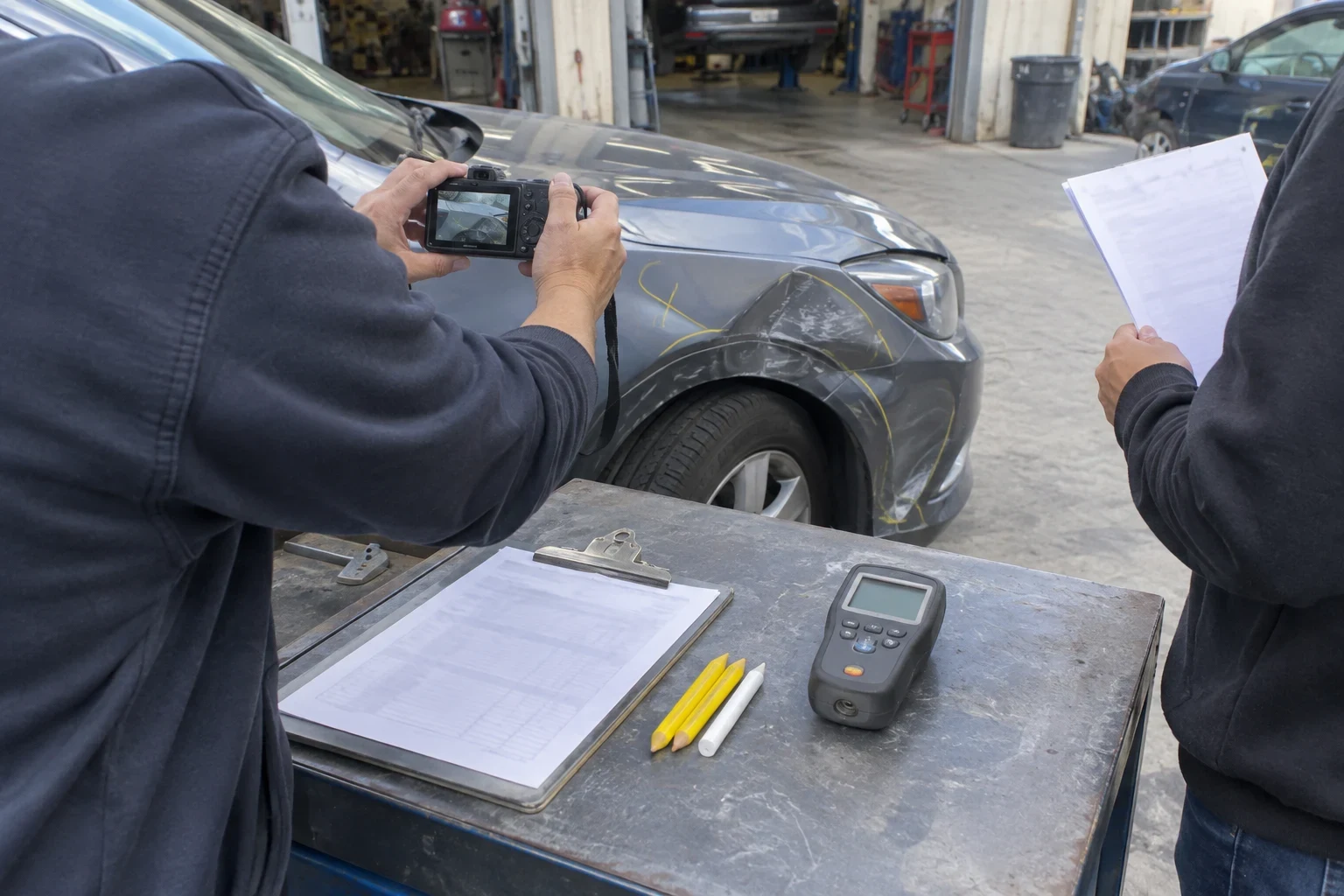
Your insurer pays for the repair, but the work still happens here, at our auto collision shop. Our part is to show the adjuster exactly what your car needs, with photos and a line-by-line estimate, so the claim covers a proper repair and not just what shows on the outside.
We are not your adjuster and we don't decide coverage. What we can do is read the insurer's estimate with you, point out where it lists aftermarket or recycled parts instead of factory ones, and tell you what that choice means for fit, finish and how your car holds up later.
California drivers get to decide which shop fixes their car. An insurer is free to recommend one from its network, but the final say belongs to you, and that's why drivers from Dinuba, Reedley and Kingsburg bring their claim repairs to us.
What Our Claim Help Includes
- A detailed repair estimate
- We list every panel, clip, sensor and labor step separately. You and the adjuster can see what is being replaced, what is being repaired and how much paint time is involved.
- Photos of what we find
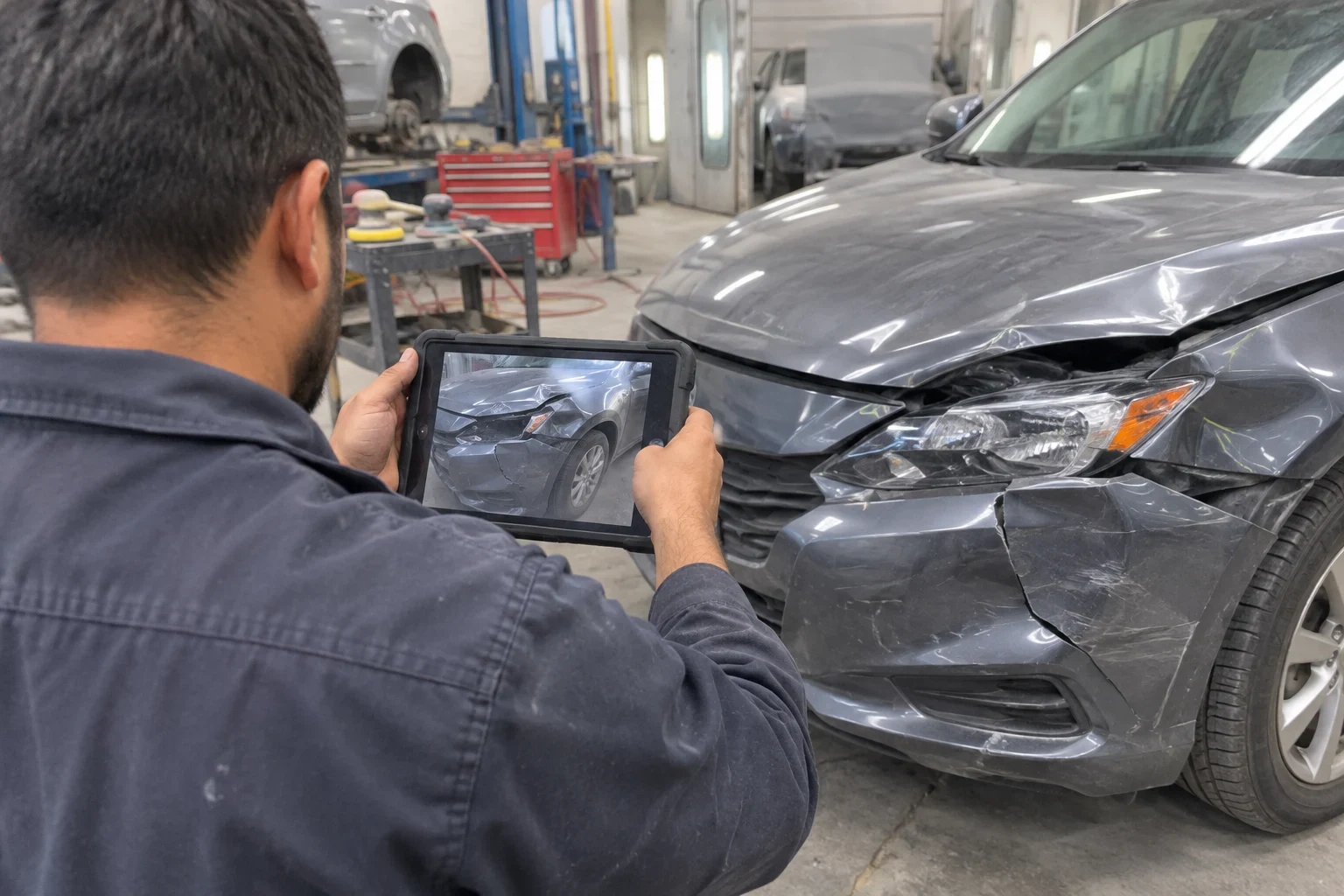
- Once a bumper cover or fender comes off, there is often bent reinforcement or a cracked bracket behind it. We photograph it before touching anything so the insurer has clear evidence.
- Supplements to the adjuster
- When teardown shows damage the first estimate missed, we send a supplement with photos and wait for approval. You don't have to make those calls yourself.
- Parts options explained
- Factory (OEM) parts, new aftermarket parts and recycled parts from salvage vehicles each fit and wear differently. We walk you through what your policy lists and where paying the difference for factory parts might be worth it.
- Paint matched to your car
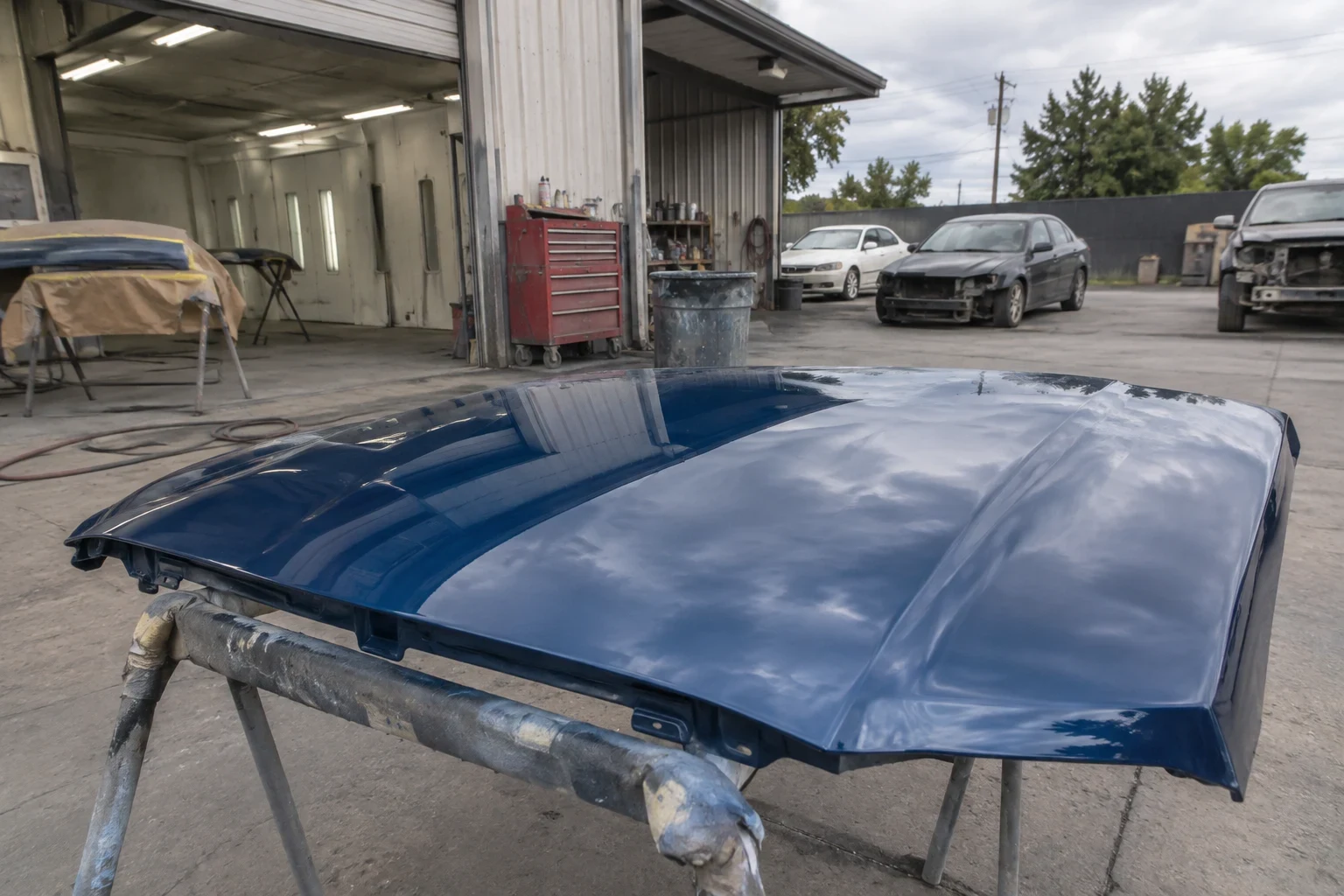
- Paint is part of the claim too. We blend into neighboring panels where needed so a new door doesn't stand out against a sun-faded quarter panel.
Signs Your Claim Needs a Closer Look
The estimate came from photos only
Many first estimates are written from phone pictures. They can't see behind the bumper, so they often come in low.
Parts codes you don't recognize
Labels like A/M, LKQ or OEM tell you where each part comes from. If nobody explained them, it's worth a conversation before work starts.
Panel gaps or doors that don't close right
When the gaps run wider on one side or a door sticks, the impact may have shifted the structure underneath. In that case frame straightening belongs on the claim as well.
Warning lights after the accident
Radar, parking sensors and cameras live in bumpers and mirrors. If a light came on, the sensors may need replacement or recalibration.
The other driver's insurer is involved
Third-party claims can move slower and come with more questions. Clear documentation from the shop helps keep them moving.
What Shapes the Cost of a Claim Repair
On most claims your out-of-pocket cost is your deductible, and the insurer covers the approved repair. What changes the total, and sometimes what you pay, comes down to the damage and the parts your policy allows. We'll explain each of these before work begins so nothing at pickup comes as a surprise.
Hidden damage
Bent brackets, crushed energy absorbers and cracked radiator supports only show up after teardown. Each one adds to the supplement.
Parts your policy specifies
Some policies pay for factory parts, others for aftermarket or recycled. If you want factory parts where the policy lists another type, you may pay the difference.
Sensors and calibration
Newer cars carry cameras and radar in the bumper and windshield area. Replacing or recalibrating them adds parts and labor.
Paint and blending
Tricoat and metallic colors take more material and time to match, especially when adjacent panels need blending.
How a Claim Repair Moves Through Our Shop
- 1
Call and bring your car in
Have your claim number and adjuster's name handy if you have them. If you haven't filed yet, we'll tell you what information your insurer usually asks for.
- 2
Inspection and estimate
We look the car over, write our estimate and compare it with the insurer's. Where they differ, we note why.
- 3
Teardown and supplements
We remove damaged parts to see what's underneath, photograph it and send any supplement to the adjuster for approval before going further.
- 4
Repair, paint and checks
Body work, refinishing and reassembly follow the approved estimate. We check panel gaps, lights and sensors before calling you.
- 5
Pickup and paperwork
You pay your deductible, if your policy has one, and we walk you through what was done and which parts went on your car.
Common Questions About Claim Repairs
Can my insurer make me use one of its shops?
No. California law lets you decide where your car is repaired. An insurer may recommend a shop from its network, but it can't force you to go there. Let your adjuster know you want the repair done with us, and we'll take it from there.
What if your estimate is higher than the insurer's?
That happens a lot, especially when their estimate was written from photos. We send our estimate and photos to the adjuster and explain each difference line by line. Once they can see the actual damage, most of the gap usually closes.
What's the difference between OEM, aftermarket and recycled parts?
OEM parts are made by your car's manufacturer and match the original fit. Aftermarket parts are new but built by another company, so fit and metal thickness can vary. Recycled parts are factory parts pulled from another vehicle. We'll show you which ones your estimate lists and give you our honest opinion on each.
Can I file the claim after bringing my car to you?
Yes. Plenty of drivers call us before they call their insurer. We can inspect the car and give you the details you'll need, but opening the claim is something you do with your insurer directly.
Will my insurance pay for a rental car?
That depends on your policy, or on the other driver's coverage if they were at fault. Your adjuster can confirm it. We keep them updated on repair timing so your rental days match the actual work.
Get Your Claim Started on the Right Foot
Give us a call before you sign off on any estimate. We'll explain how the claim process works at our shop and what to bring with your car.