Dinuba, CA
Auto Collision Shop in Dinuba That Explains Your Parts and Paint
We repair cars after accidents and everyday damage: collision repair, dent repair, bumper repair, paint and refinishing and frame straightening, plus help with your insurance claim. Before we start, we show you what your vehicle is made of and which repair or part fits it best. Drivers bring cars in from Dinuba, Reedley, Orosi and Visalia.
- PPG certified
- Parts options shown
- Written line-item estimates
- Photos of hidden damage
Auto Body Repair for Every Kind of Damage
Most cars today mix several materials: high-strength steel in the structure, aluminum in some hoods and doors, and plastic in bumper covers. Each one is repaired differently, so we start by identifying what was hit. Our shop is PPG certified, which means our paint and refinishing work uses PPG's systems and color tools. Pick a service below to see how we handle it.
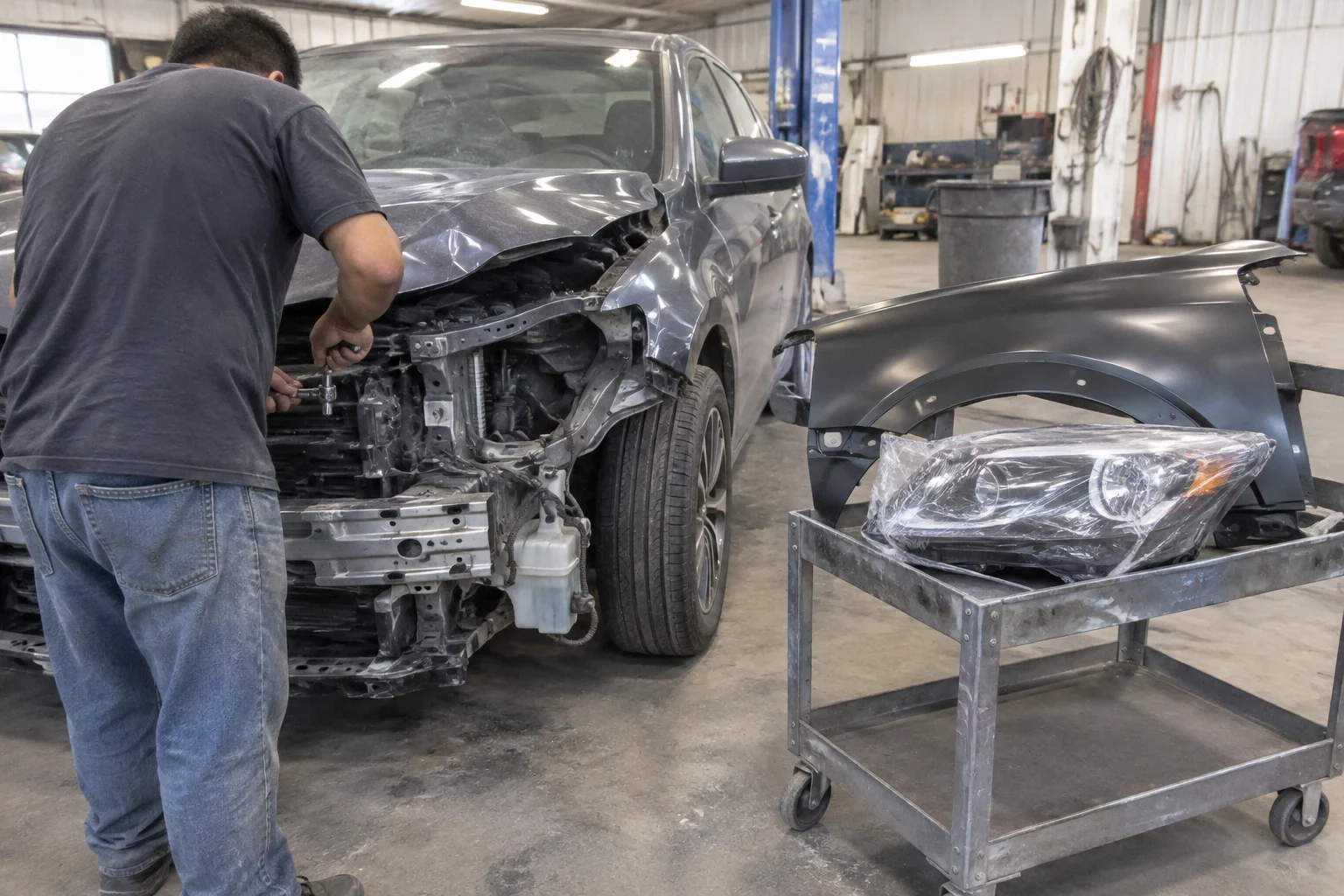
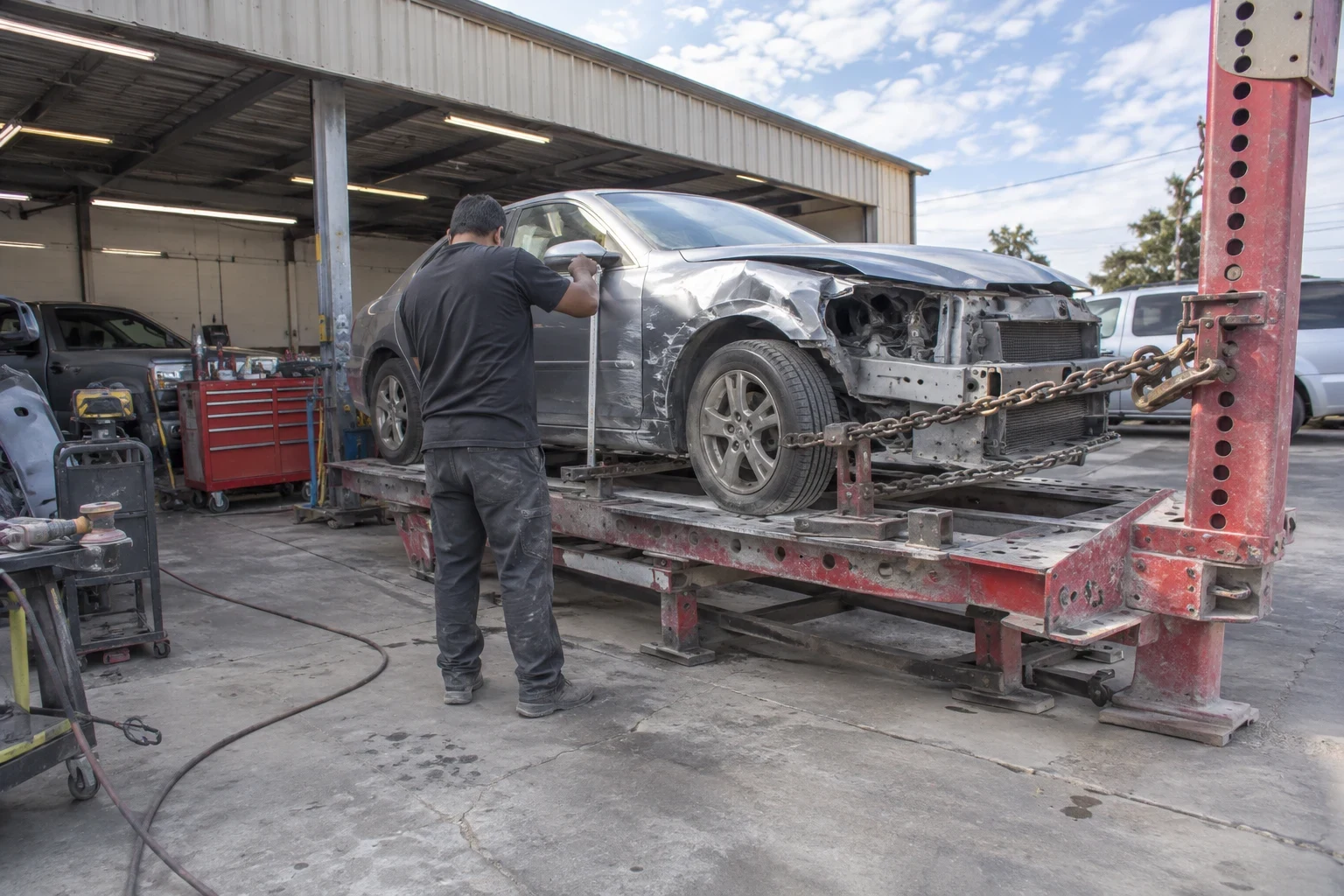
Collision Repair
Repair after a crash, with plain answers about which parts and materials go back on your car and why.
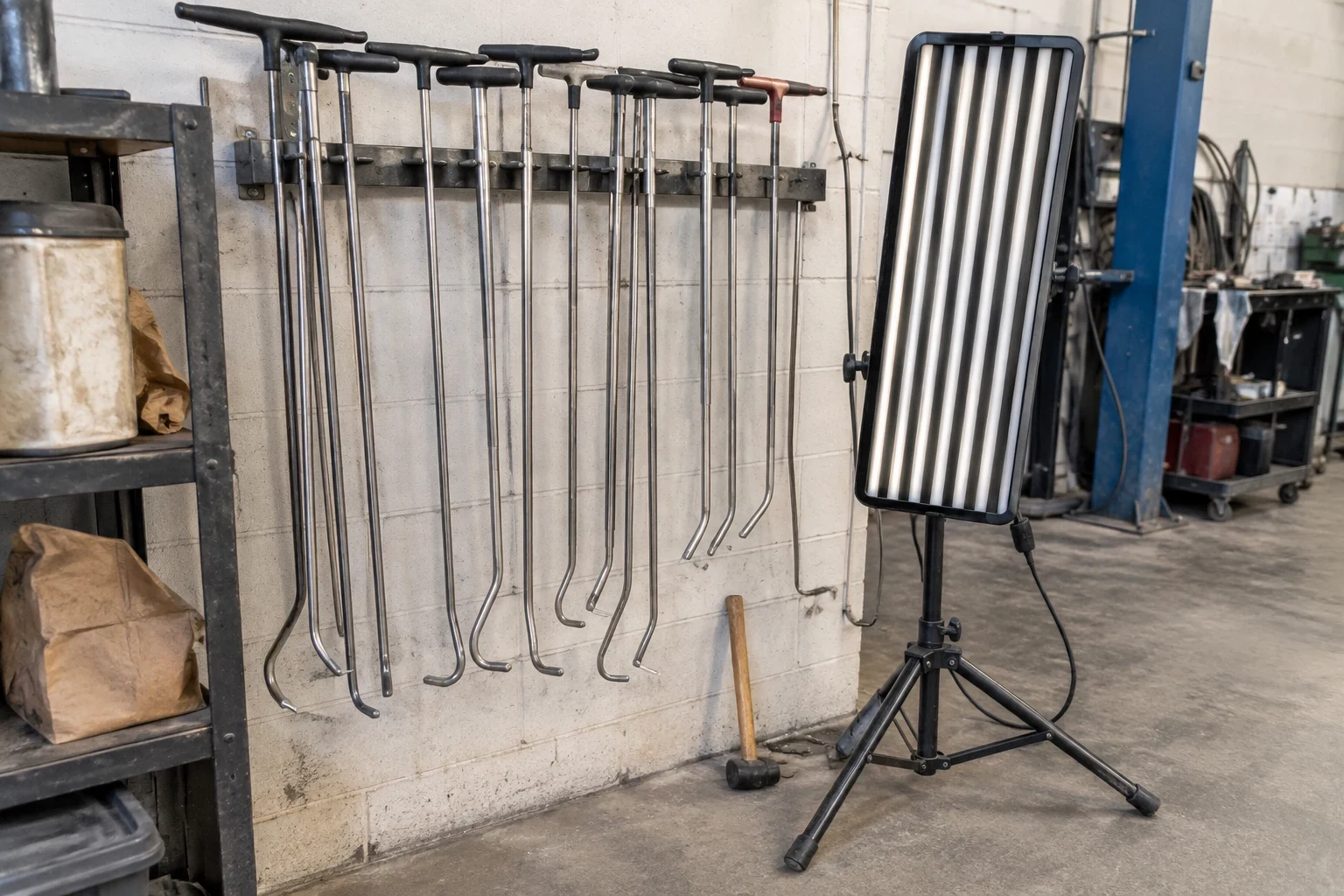
Dent Repair
Paintless and conventional dent repair for steel and aluminum panels, with a plain explanation of which method suits your car and why.
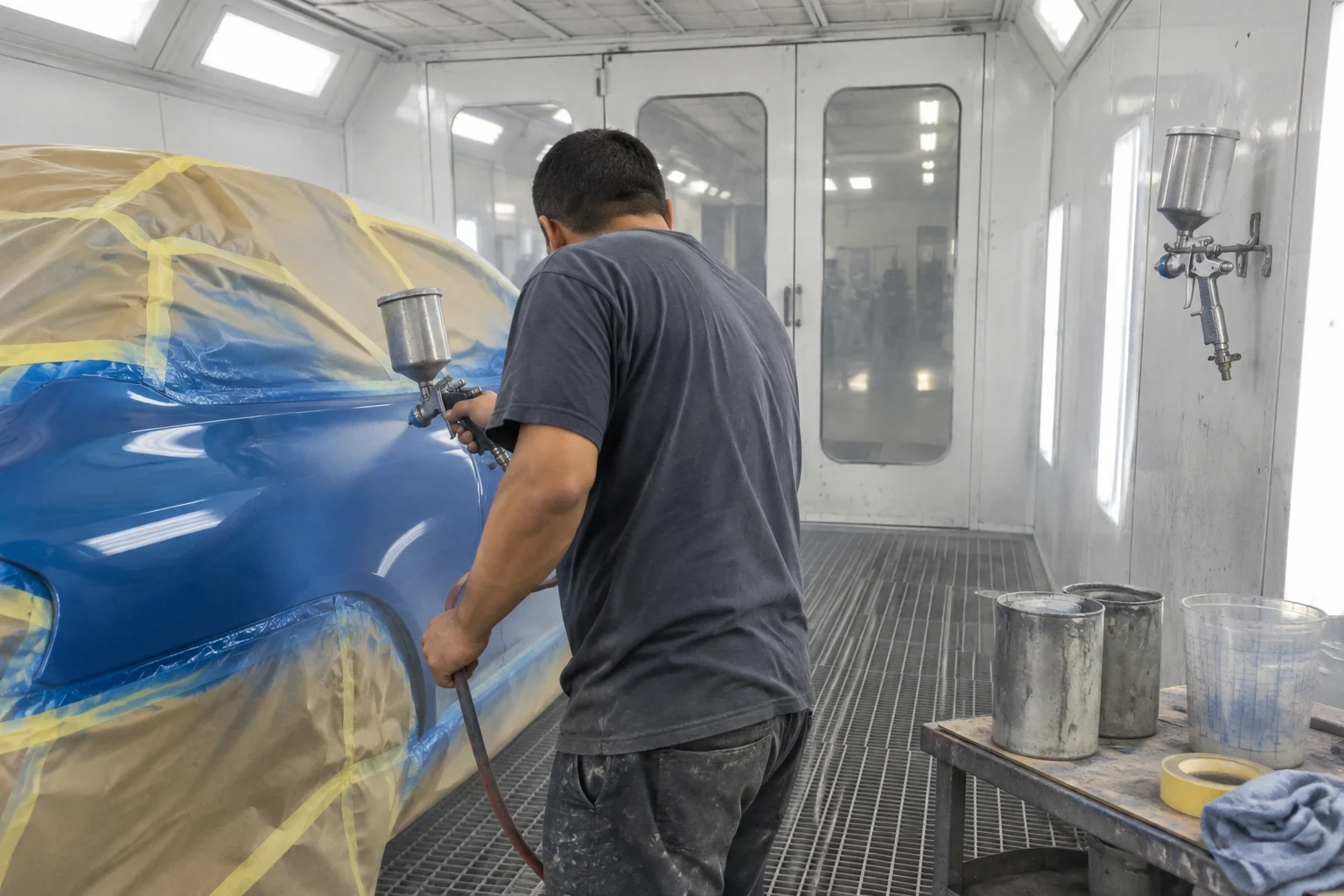
Paint and Refinishing
Color-matched paint and clearcoat for scratched, faded or peeling panels, with the options and trade-offs explained in plain terms.
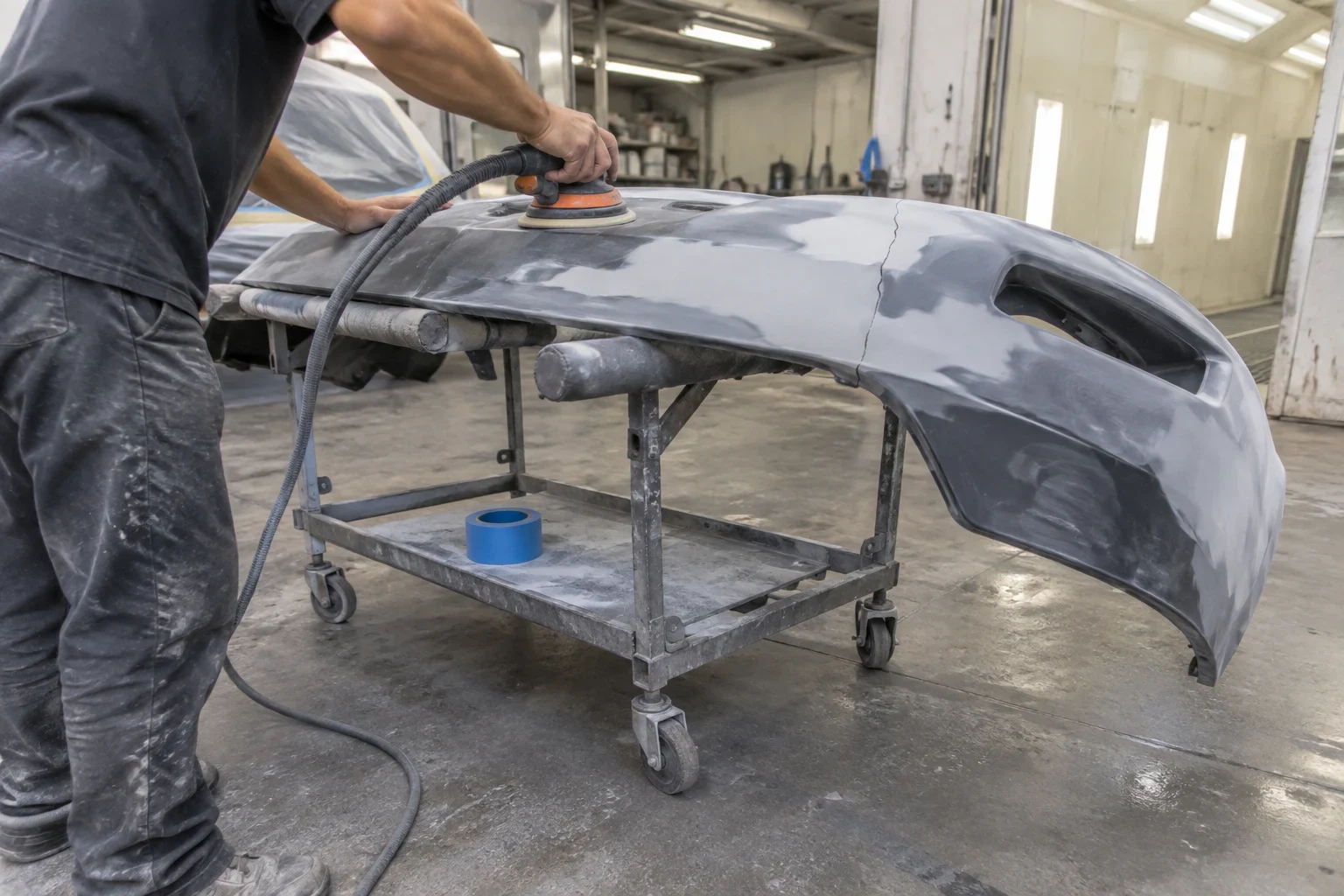
Bumper Repair
Cracked, scraped or loose bumper covers repaired or replaced, with the parts behind them checked and the paint matched to the rest of your car.
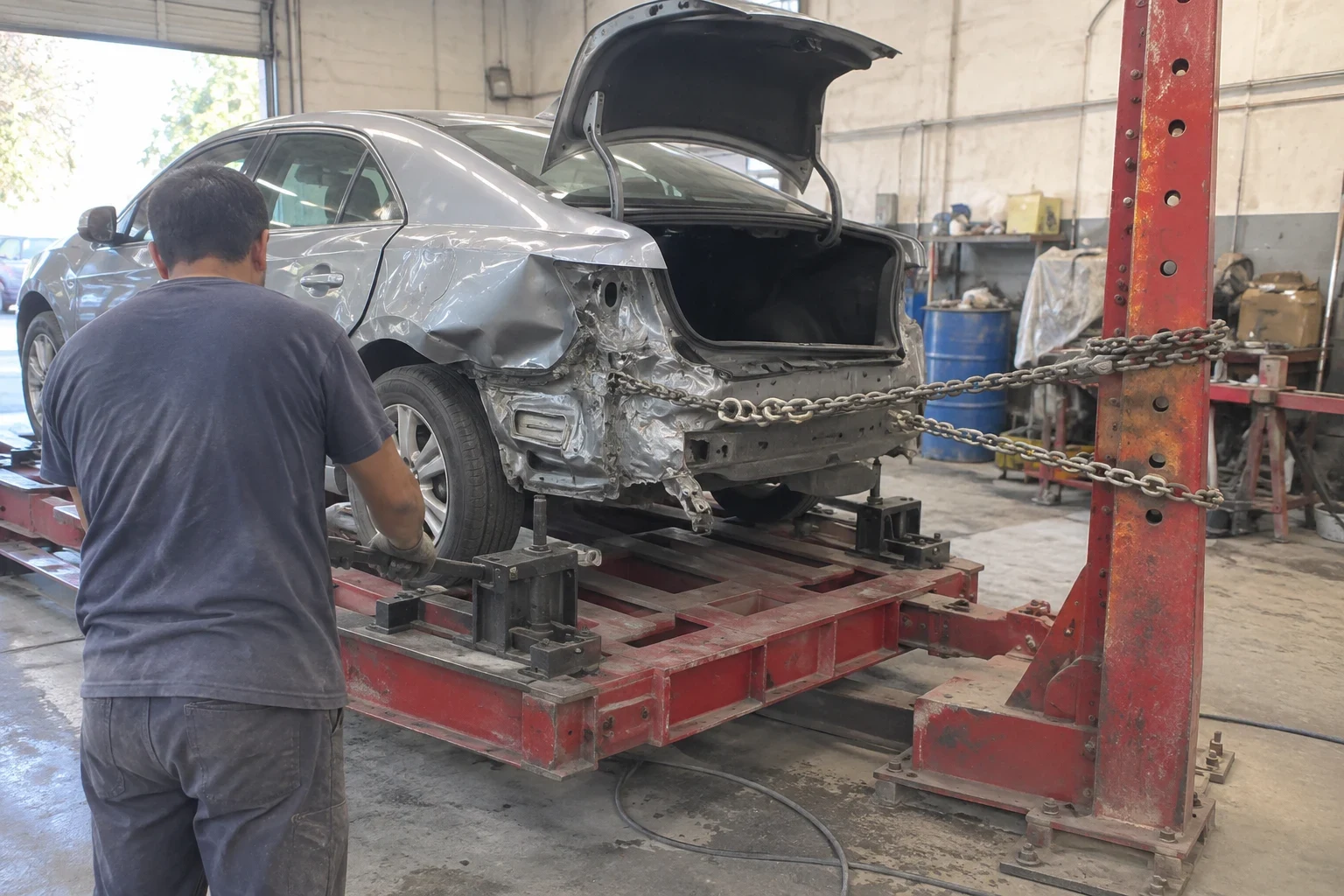
Frame Straightening
We measure your vehicle's frame or unibody, pull it back to factory dimensions and choose repair methods that suit the steel or aluminum it is built from.
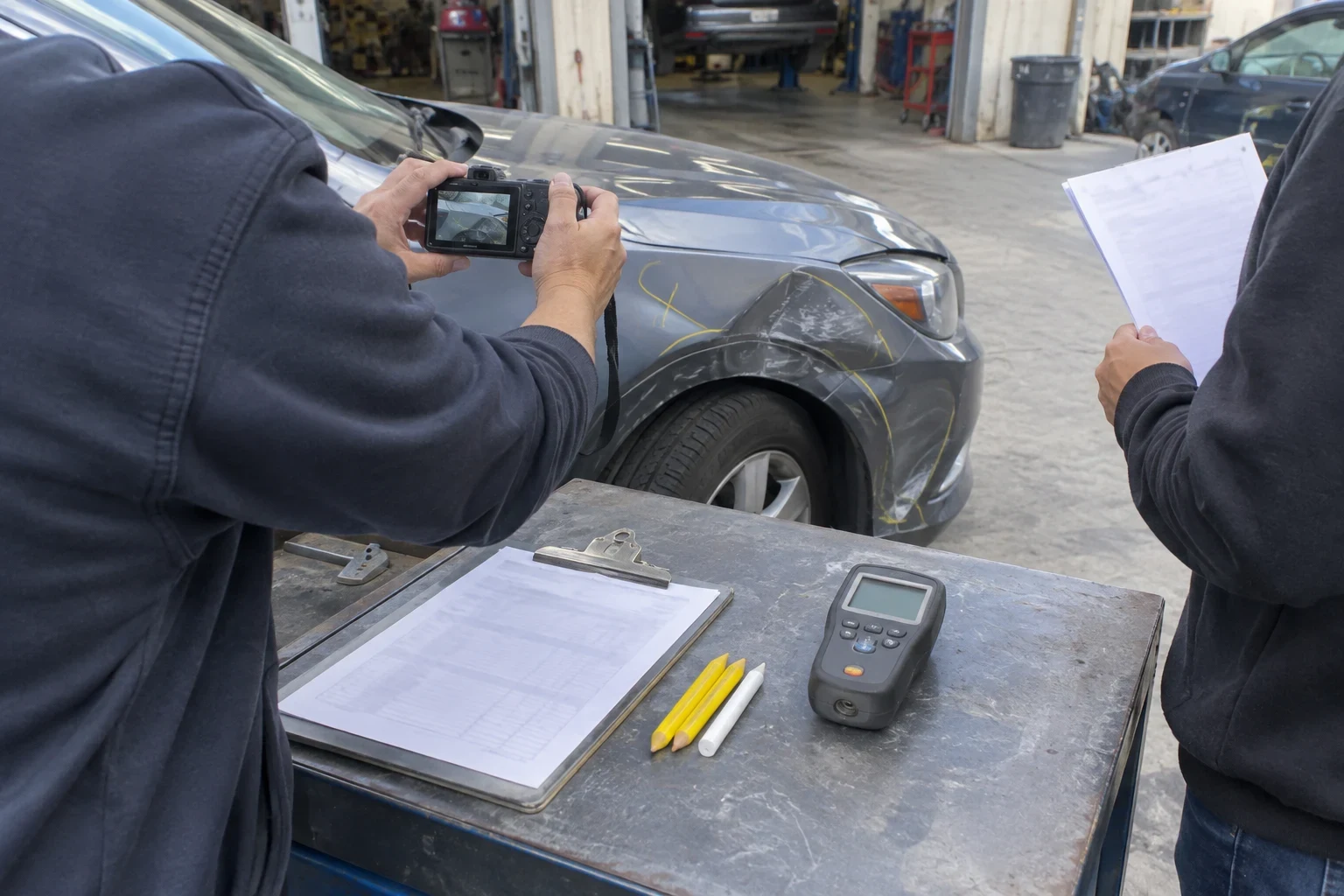
Insurance Claims
We write the repair estimate, photograph hidden damage, work with your adjuster on supplements and explain which parts your policy pays for.
What Moves the Cost of a Repair
No two collisions cost the same, even on the same model. The price depends on what was damaged, what it is made of and how it gets fixed. Here is what we look at when we write the estimate.
Every estimate is written line by line, showing parts, labor and paint separately. If anything changes after teardown, you hear from us before it goes on the bill.
- The material that was hit
- Steel panels are usually the most forgiving to repair. Aluminum takes dedicated tools, a clean work area and more labor. Plastic bumper covers can sometimes be repaired but may cost less to replace when the tabs or mounts are broken.
- Repair versus replace
- Fixing an original panel keeps factory fit and corrosion protection, but deep creases or torn metal can make a new part the better call. We tell you which way we lean and why.
- Parts type
- OEM parts usually cost more than aftermarket or used parts. Your insurance policy may specify which kind it pays for, and we will show you how that affects the estimate.
- Paint and blending
- Three-stage pearl and tricolor paints take more material and time than solid colors. To get an even match, we often blend color into the panels next to the repair.
- Damage behind the panel
- Bumper absorbers, brackets, sensors and frame sections may only show once parts come off. If we find more, we document it and talk with you before adding work.
- Structure and alignment
- When a hit reaches the frame or unibody, measuring and straightening add labor. Skipping it would leave your car unsafe and wearing tires unevenly.
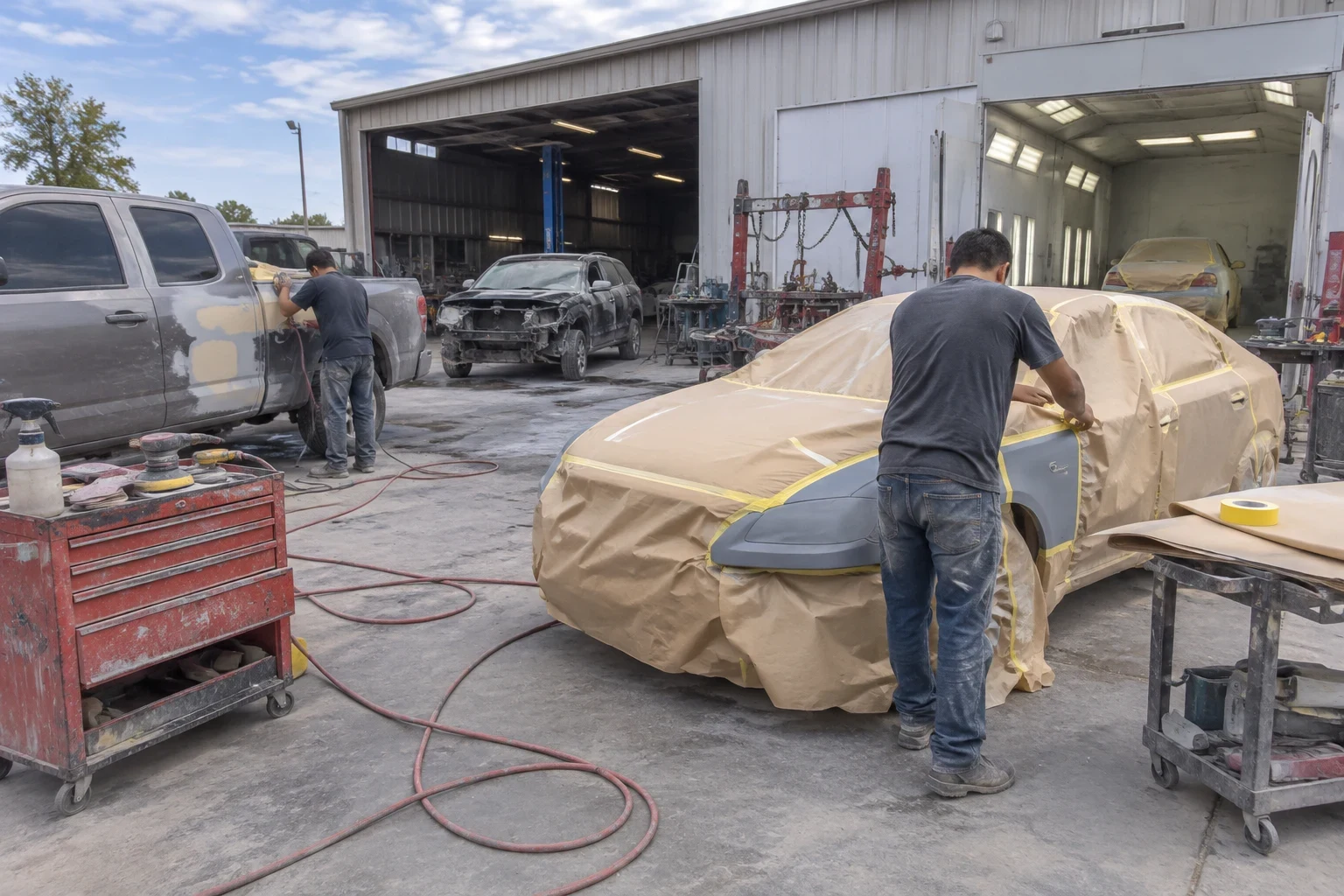
A Body Shop That Shows Its Work
We are Auto Collision Shop Dinuba, a body shop built around one simple idea: drivers deserve to know what is going into their cars. A modern vehicle can have half a dozen materials within a foot of the bumper, and the right repair for one is the wrong repair for another. So we slow down at the estimate stage and explain it.
That means telling you when a dent can come out without paint, when a bumper cover is worth saving, and when a new part is the honest answer. It means matching paint with PPG systems that hold up to long, hot Central Valley summers. And it means being straight with you about your insurance claim, what your policy covers and what you get to decide yourself.
- Certifications
- PPG certified
How a Repair Runs at Our Shop
From the first phone call to the day you drive away, here is what to expect.
- 1
Start with a phone call
Describe the accident and the marks on your car. We answer the first few questions on the spot and pick a day for you to drop the car off.
- 2
Inspection and written estimate
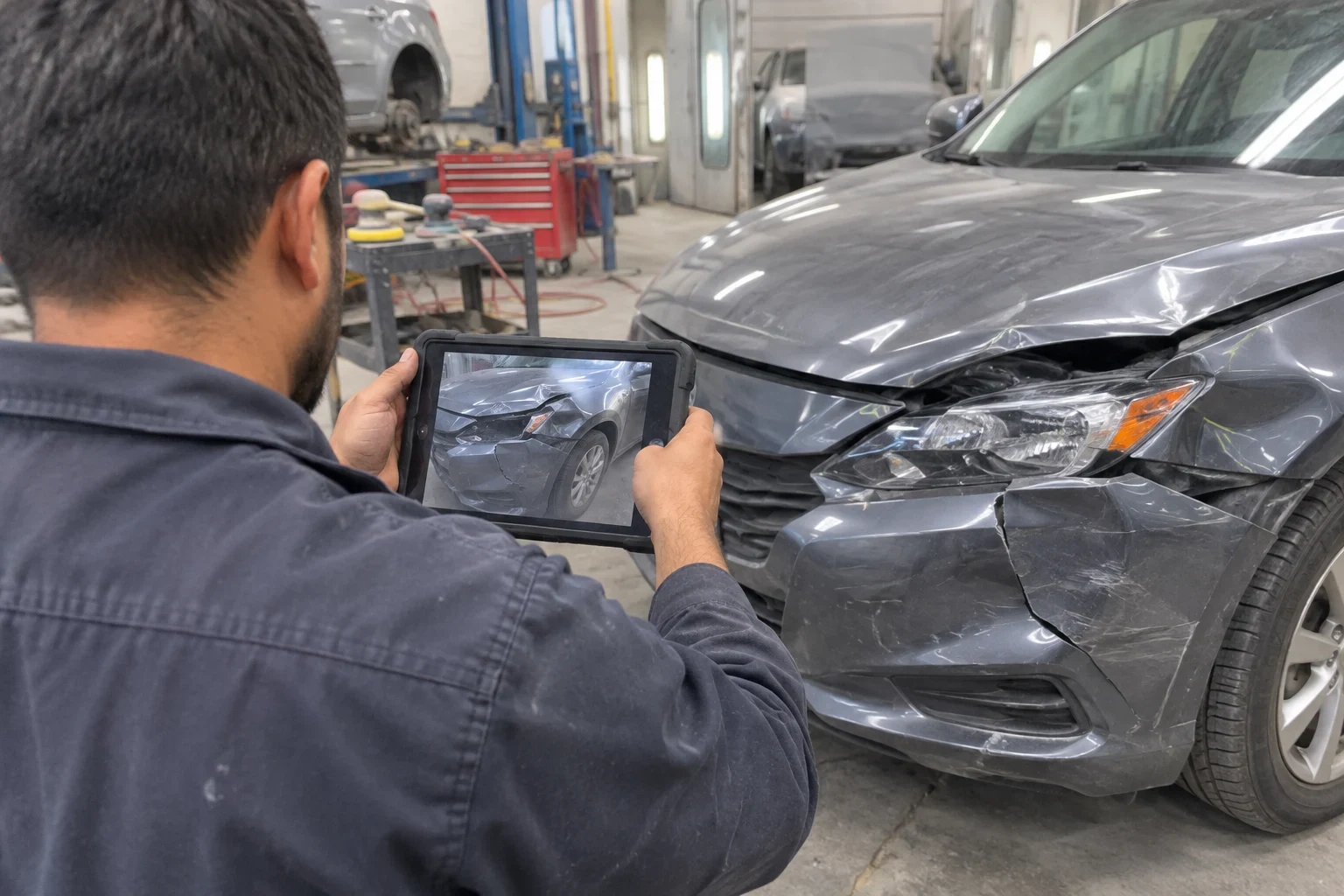
We look over the damage, identify the materials involved and write up the repair line by line. We go over the parts options and, if you have a claim, how the estimate fits into it.
- 3
Teardown and approval
We remove damaged parts to check what sits underneath. Anything new gets photographed and approved by you, and by your insurer when they are paying, before we continue.
- 4
Repair, paint and reassembly
Panels are repaired or replaced, structure is measured and straightened if needed, and paint is matched and applied in our booth. Then everything goes back together and gets checked for fit and gaps.
- 5
Final check and pickup
We clean your car, inspect the finish in good light and walk you through what we did.
Why Drivers Choose Our Shop
A repair is only as good as the choices behind it. We take the time to explain those choices so you can decide with real information.
We tell you what your car is made of
A dented steel fender can often be worked back into shape. A cracked plastic bumper might be plastic-welded or might need a new cover. Aluminum panels need separate tools to avoid contamination. We point out which applies to your vehicle and why it matters for the repair.
Parts options laid out side by side
Factory (OEM) parts, aftermarket parts and quality used parts each have trade-offs in fit, cost and how your insurer treats them. We show you which ones are on the estimate and what each choice means, so nothing gets swapped without your knowing.
PPG paint systems
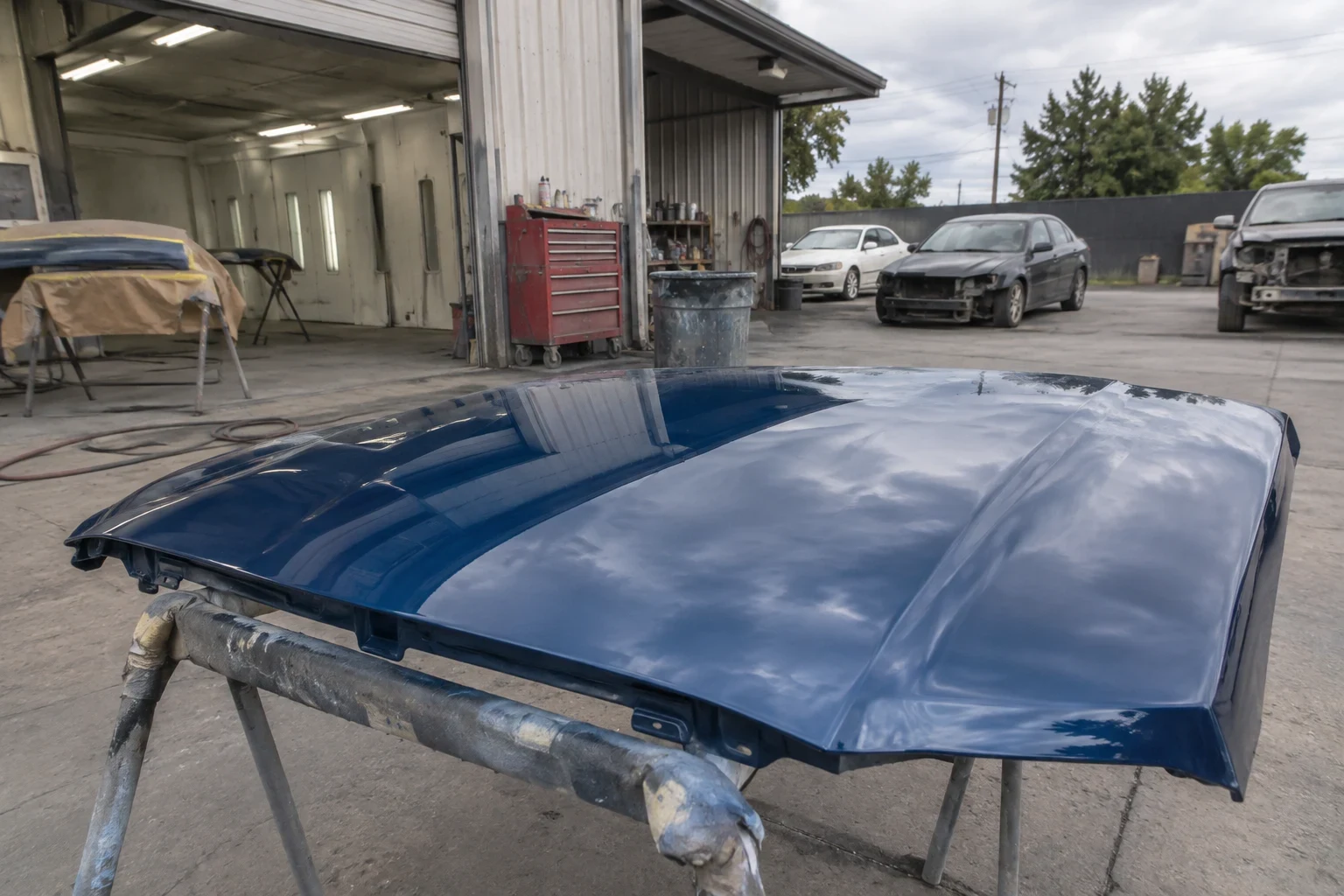
We are PPG certified, and we refinish with PPG paint systems. That helps us match factory colors closely, including tricky metallics and pearls, and lay down a clear coat built to stand up to sun and heat.
Photos of what we find
Once a bumper cover or panel comes off, there is often more damage behind it. We photograph brackets, absorbers and sensors we find bent or broken and share those pictures with you and your insurer.
Your car comes back clean
We clean up the interior and exterior after the repair and walk you around the work at pickup.
Questions Drivers Ask Us
Something not covered here? (559) 524-1389
Can I choose your shop even if my insurance suggests another one?
Yes. In California, you have the right to pick the shop that repairs your car, and your insurer cannot require you to use a particular one. We can work with your insurance company on the estimate and any supplements. We can walk you through the process, but the adjuster still makes coverage decisions.
What is the difference between OEM and aftermarket parts?
OEM parts are made by or for your car's manufacturer and match the original fit. Aftermarket parts come from other makers and usually cost less, though fit and finish can vary. Many policies spell out which type they pay for. We show you what is on the estimate and talk through the trade-offs.
How close will the repaired panel look to my original paint?
Very close. We pull your car's factory color code, then use PPG color tools to fine-tune the mix, since paint on a car that has spent years in the sun rarely looks exactly like the code. Metallic and pearl finishes get extra spray-out tests. On many jobs we also fade the new color into the neighboring panels, so you do not see a hard edge when you look at the car from an angle.
Is there a warranty on your paint work?
Yes. We offer a lifetime warranty on all paint work. If something about the finish concerns you after pickup, give us a call and bring your car back so we can take a look.
Should I pay for a small repair myself instead of filing a claim?
Sometimes that is the smarter move. If the repair comes in close to your deductible, a claim may not save you much. We write the estimate line by line so you can compare it with your deductible and decide which route works for you.
How many days will the repair take?
That comes down to how much is damaged, how quickly parts arrive and whether your insurer has to sign off on extra work found at teardown. A single dent or bumper cover moves much faster than a job with structural damage or several panels. You get an expected timeline along with the estimate, and we update you if parts or approvals push it back.
Is it safe to drive my car before the repair?
Sometimes, but not always. Bent wheels, hanging bumpers, broken lights or a steering pull are signs the car should not be driven far. Describe the damage to us by phone and we will tell you what we think.
Can a dented aluminum panel be repaired?
Often it can, though aluminum does not move like steel and needs separate tools to avoid contamination. Sharp creases or stretched metal may mean replacement is the better choice. We look at the panel and explain which way makes sense.
Serving Dinuba and Nearby Towns
Our shop sits in Dinuba, and plenty of the cars on our floor come from the towns around it. Reedley, Orosi, Cutler and Orange Cove are a short drive away, and we also work on vehicles from Parlier, Sanger, Selma and Kingsburg. Some customers head up from Goshen and Visalia too.
- Dinuba
- Reedley
- Orosi
- Parlier
- Kingsburg
- Orange Cove
- Cutler
- Sanger
- Selma
- Goshen
- Visalia
Not sure your town is close enough? Ring us and we will tell you honestly whether the trip makes sense for your repair.
Find Out What Your Repair Really Needs
Tell us about the damage and we will go over the likely materials, parts and next steps, then set a time for you to bring your car in.