ServicesBumper Repair
Bumper Repair in Dinuba
A bumper takes the hit so the rest of your car doesn't. We fix cracked, torn and scuffed covers, check the bar and foam behind them, and tell you honestly whether a repair will hold or a new cover makes more sense.
What bumper repair covers
Most modern bumpers are a painted plastic cover over a hidden structure: a foam or plastic energy absorber and a steel or aluminum reinforcement bar bolted to the frame rails. The cover is what you see scraped or cracked. The parts behind it are what actually protect your car in the next impact, so we look at both.
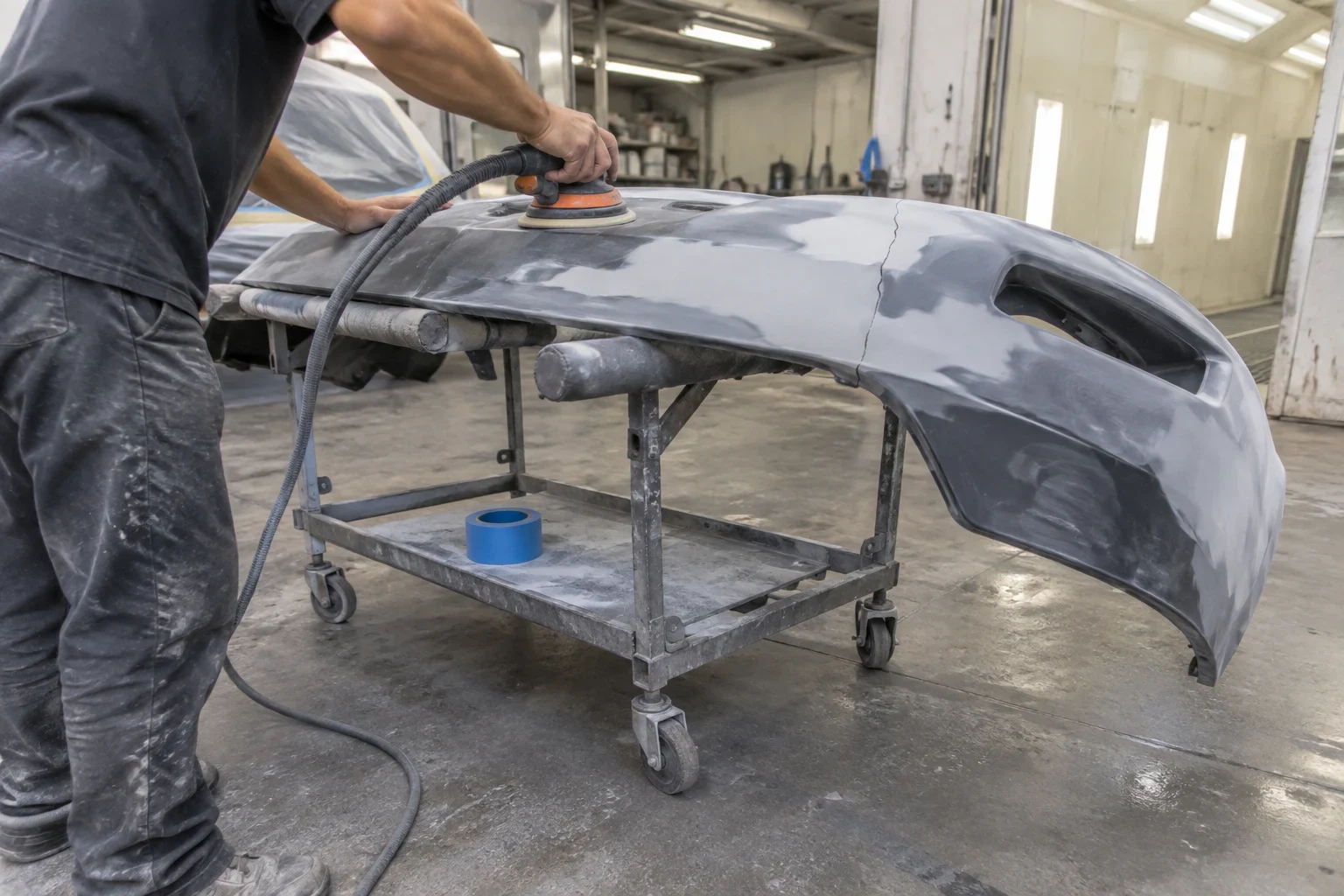
Plastic covers are usually made of polypropylene blends or polyurethane. Both can often be repaired. Small cracks, tears near a mounting tab and deep gouges can be plastic welded or filled with a flexible repair material, then refinished. A cover that is shredded, stretched out of shape or missing big pieces is usually better replaced, and we explain why before any work starts.
Older covers that have spent years parked in Valley sun can turn brittle, and brittle plastic does not weld as well. That is one of the things we check when we tell you which way to go.
What we do on a bumper job
- Inspection behind the cover
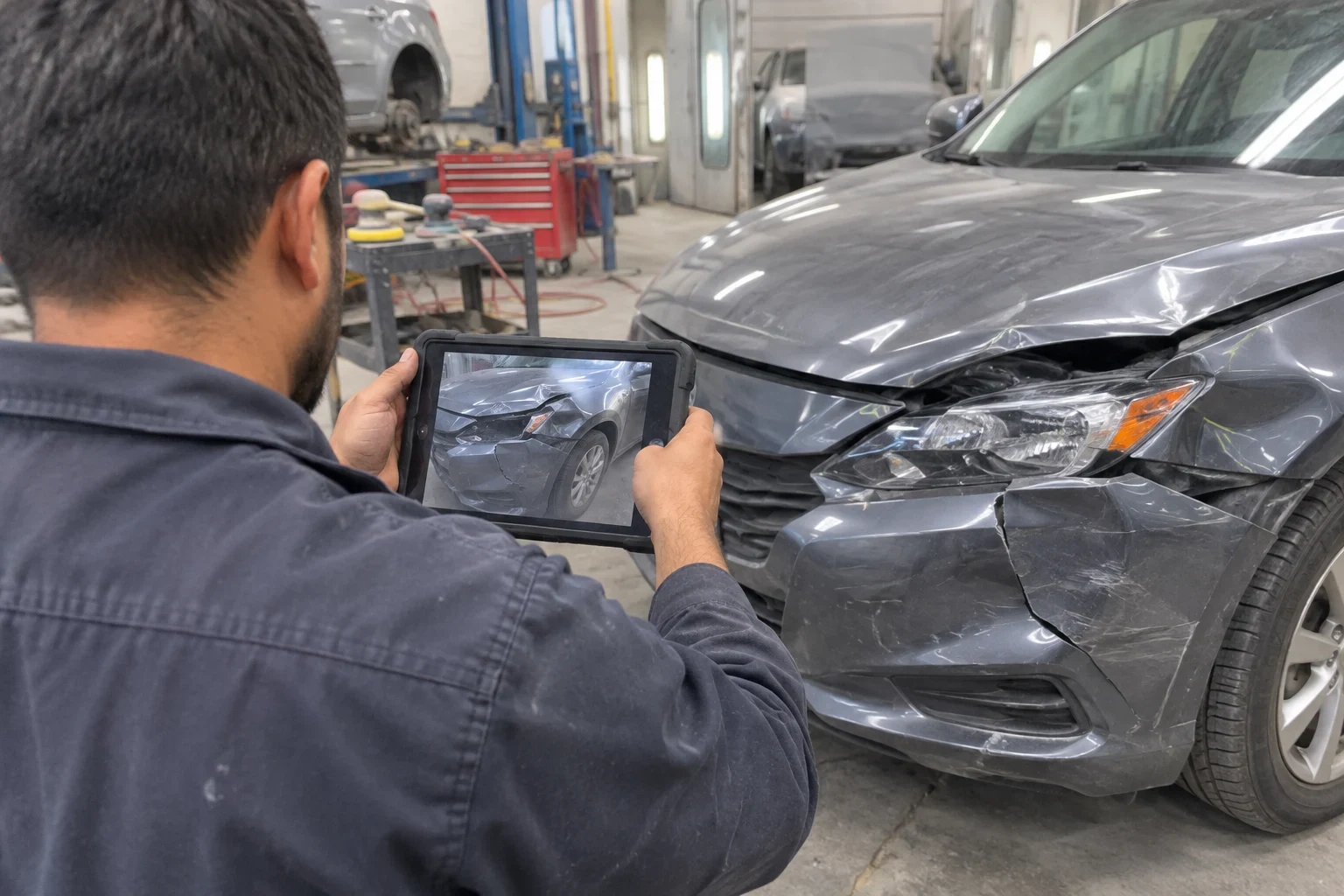
- When the damage calls for it, we pull the cover off. With it removed we can spot a crushed absorber, a bent reinforcement bar or broken brackets that a glance from the outside would miss.
- Plastic welding and flexible repair
- Cracks are welded from the back with matching plastic rod or reinforced with mesh, then shaped from the front. The fillers we use are made to flex with the cover, so the repair holds up the next time the bumper takes a light tap.
- Replacement cover options
- When a new cover is the better choice, we explain the difference between an original factory part and an aftermarket cover. Factory covers fit the mounting points exactly. Aftermarket covers cost less but can vary in fit and plastic thickness, and some insurance policies specify which one they pay for.
- Brackets, clips and mounting tabs
- A sagging bumper or a gap at the fender often comes down to broken clips or a snapped tab. We replace or rebuild those so the cover sits flush and stays put.
- Paint matched to your car
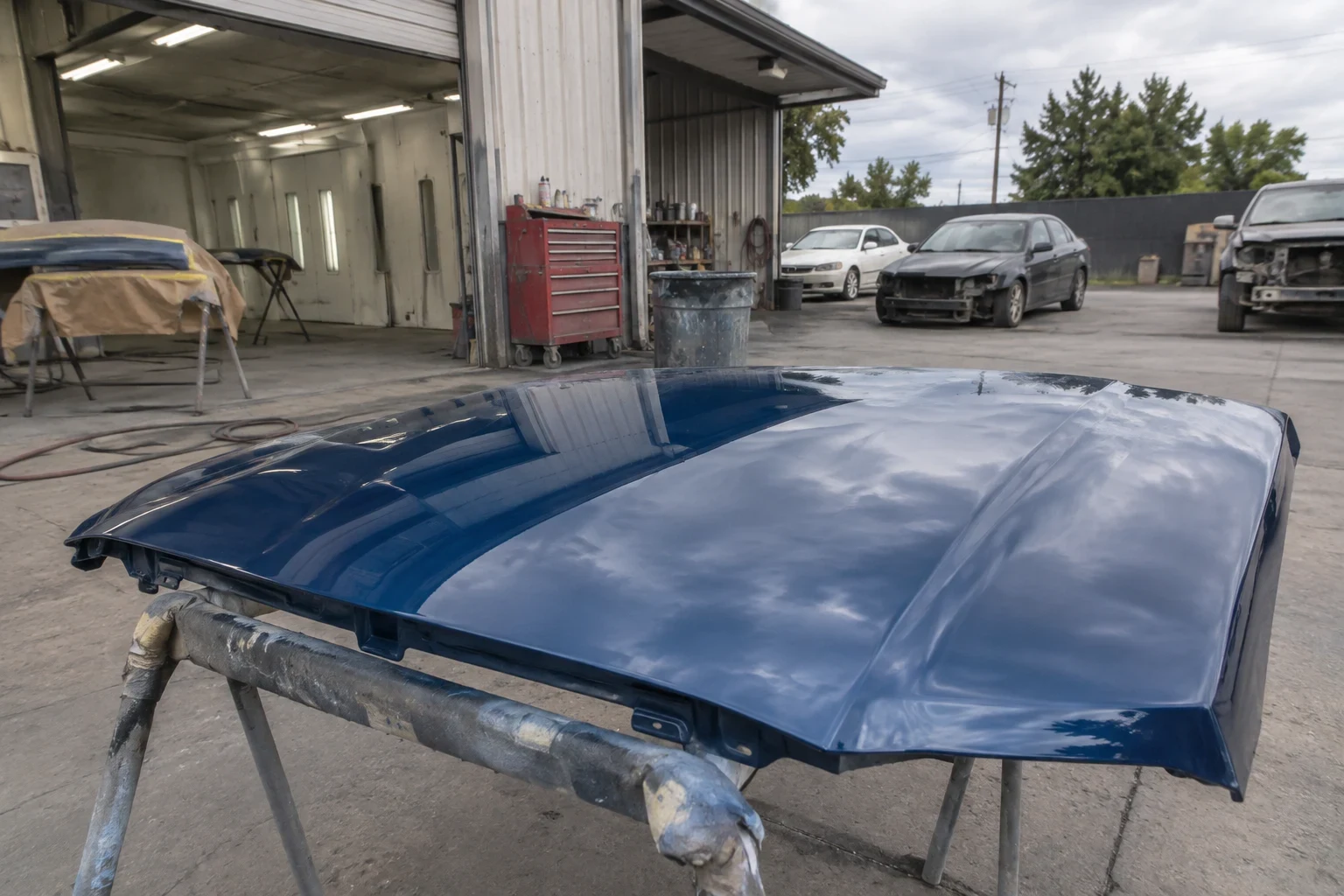
- Bare plastic needs an adhesion promoter before primer, and the paint gets a flex additive so it moves with the cover. We carry the color out onto the neighboring fenders so the finish reads as one piece instead of a patch. Our Paint and Refinishing page goes into more detail.
- Sensors and trim
- Parking sensors, camera brackets and fog light housings come off and go back on with care. If a sensor mount is damaged, we point it out so it can be replaced along with the rest of the repair.
Signs your bumper needs attention
A crack you can see or feel
Even a small split spreads with heat, vibration and car washes. Caught early, it is usually a simple weld.
Gaps at the fender or hood
If the bumper no longer lines up with the panels around it, a clip, bracket or tab has likely broken. A loose cover can catch air on the highway and pull itself further out of place.
Pushed-in or wavy surface
Plastic can bounce back and look fine while the foam absorber behind it stays crushed. A soft or uneven spot when you press on it is worth a look.
Scrapes down to bare plastic
Curb and parking-post scrapes that go through the paint leave the plastic exposed. Paint starts to peel at the edges over time, so refinishing sooner keeps the job smaller.
Sensor warnings after a bump
A parking sensor that beeps for no reason or stops working after a minor hit often means the mount or the cover around it moved.
What affects the cost of bumper repair
Bumper jobs range from a simple scuff refinish to a full cover, bar and absorber replacement. The estimate depends on what we find once we look closely. We walk you through each line so nothing on the final bill comes as a surprise.
Repair versus new cover
Welding and refinishing the existing cover usually means more labor but no part cost. A new cover adds the part price but can save hours of shaping on badly damaged plastic.
Factory or aftermarket parts
Original factory covers generally cost more than aftermarket ones. The choice affects fit and price, and your insurance policy may decide it for you.
Hidden damage behind the cover
A crushed absorber, bent reinforcement bar or broken brackets add parts and labor. That is why we inspect before finalizing the estimate.
Sensors, cameras and lights
Bumpers with parking sensors, cameras or built-in fog lights take more time to remove and reinstall, and damaged mounts add to the parts list.
Paint and blending
Tri-coat and pearl colors take more steps to match than solid colors, and blending into the fenders adds a bit of time for a finish that looks right.
From the first call to pickup
- 1
Describe the damage by phone
Let us know how the bumper got hit and what it looks like now. We will suggest when to bring your car in and give you a rough idea of what the job may involve.
- 2
Look it over and write the estimate
At the shop we inspect the cover and, when needed, what is behind it. The estimate lists each part and labor item, and spells out whether we recommend repairing or replacing the cover and why.
- 3
Repair or replace
Once you approve the estimate, we weld, fill and shape the cover or fit the new one, replace any damaged absorber, bar or brackets, and test fit everything on the car.
- 4
Prep, paint and reinstall
The cover is cleaned, treated with adhesion promoter, primed and painted, then blended into the nearby panels. Sensors, lights and trim go back on and get checked.
- 5
Pick up and walk around
We go over the finished repair with you at the car, so you can see the fit and color in daylight before you drive away.
Bumper repair questions
Can a cracked bumper cover really be fixed, or does it have to be replaced?
Many cracked covers can be repaired. Cracks and tears that are not too long, and not across a heavily stretched area, weld well and hold up. If the plastic is brittle, badly distorted or missing pieces, we will tell you a new cover is the better use of your money.
Is an aftermarket bumper cover okay to use?
It can be. Some aftermarket covers fit well, while others need extra adjusting to line up with the fenders. We explain what we would use on your car and why, and if your insurance specifies a part type, we tell you that too.
How long will my car be at the shop?
A refinish or small weld repair is usually a short stay. Jobs that need a new cover, absorber or bar depend on how quickly parts arrive. When you get the estimate, we tell you honestly how many days to plan around, and we call you if a part is delayed or the schedule shifts.
Will a repainted bumper look different from my fenders?
It shouldn't. We start from the color code on your vehicle, then tint the mix by eye so it suits paint that has faded a little over the years. The new color is also feathered onto the panels next to the bumper, so there is no hard line where old paint meets new.
My bumper looks fine but the car was hit. Should I still get it checked?
Yes. Plastic covers often spring back while the foam absorber or the bar behind them stays damaged. That part matters in the next collision, so it is worth an inspection. If the hit was harder, our Collision Repair and Frame Straightening pages explain what else we check.
Can you work with my insurance on a bumper repair?
Yes. We write the estimate in a form your insurer can review and explain the process along the way. The Insurance Claims page covers how a claim usually runs with us.
Get your bumper back in shape
Pick up the phone and describe the damage, and we will find a day that works for you to bring your car by. Before anyone picks up a tool, you will know whether we plan to repair the cover or replace it, and why.